The Psychobiological Approach: A Quiet Revolution in Clinical Animal Behaviour

The Psychobiological Approach: A Quiet Revolution in Clinical Animal Behaviour

For many outside the profession, clinical animal behaviour appears to have changed dramatically over the past two decades. We have seen advances in neuroscience, welfare science, behavioural pharmacology and learning theory. Yet beneath these visible developments, a quieter revolution has been taking place—one that is updating the field with a coherent synthesis of these advance.


It is not a revolution in the treatments we use, but in the questions we ask before treatment even begins and the questions we ask about how treatment maps on to diagnostic assessment.


The psychobiological approach represents a fundamental shift in how behavioural problems are understood, diagnosed and managed. Rather than asking simply "What behaviour is the animal showing and how do a change it?", it asks "Why is this behaviour occurring in this individual, in this context?"


That distinction may seem subtle, but it changes everything.

Picture2

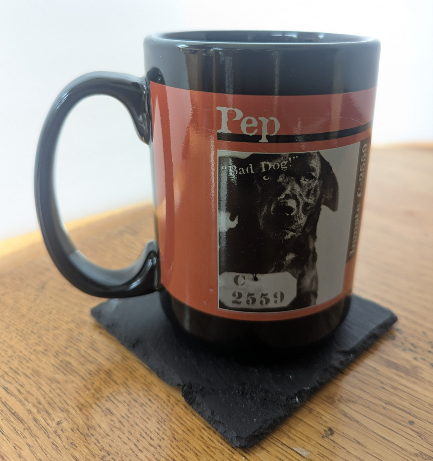
Pep is perhaps the only dog ever to be formally incarcerated for his behavioural crimes – he became inmate number C-2559. He was sentenced to life imprisonment at Eastern State Penitentiary in 1924, by the Governor, for killing his wife’s cat. He went on to become the prisoner’s  mascot  and bring happiness to many condemned humans.

Beyond Labels

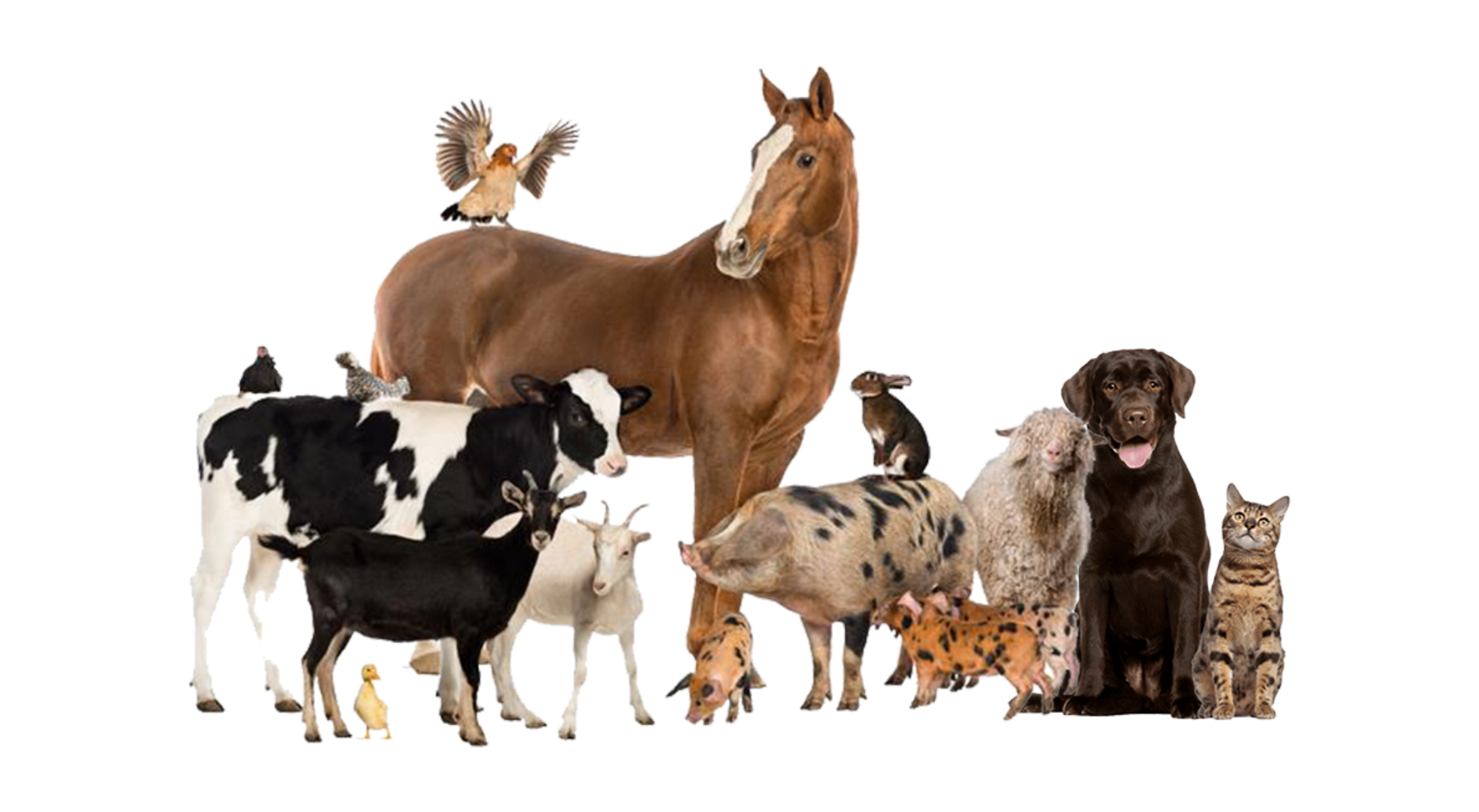
Traditional behavioural diagnosis has often used a wide variety of poorly defined or descriptive labels. Dogs are described as "reactive", "dominant", "aggressive", "anxious" or "stubborn". Cats become "inappropriate urinators". Horses are labelled as "nappy" or "difficult". These tell us remarkably little about the processes producing the behaviour and perhaps more about the person describing it. This issue is made worse when we do not use an agreed language. What does it mean to be “anxious”? As far as descriptive labels go, it is important to appreciate that the same outward behaviour may arise from entirely different underlying psychological mechanisms. A dog that lunges at another dog could be experiencing  fear or frustration or simply responding out of habit with very little specific emotional feeling. From the outside, these animals may appear indistinguishable. From a clinical perspective, however, they are entirely different cases requiring different interventions.


The psychobiological approach therefore views behaviour as evidence—not the conclusion.

From Managing Problem Behaviour to Behaviour Problems

Another important conceptual shift associated with the psychobiological approach is emphasising the difference between a problem behaviour and a behaviour problem. The behaviour itself is only one component of the clinical picture. The owner's interpretation, expectations, emotional responses, safety concerns and the impact on quality of life all contribute to whether a behaviour becomes a clinical problem. Sometimes improving owner understanding can change the problem without changing the animal's behaviour at all. This broader perspective acknowledges an important reality: clinical animal behaviour is never solely about the animal. It exists within a human-animal relationship and involves skills in human behaviour change as much as animal behaviour change

Picture3

Problem behaviour impacts owners as well, and it is important to recognise all the ways in which this occurs. There are obvious physical impacts in some cases like this one involving a cat who attacked his owner’s feet, but even when there are no physical lesions,  there are always psychological ones. Helping owners, is as important as helping their pets.  

A Structured Scientific Process: The CME Framework

One of the greatest strengths of the psychobiological approach is that it replaces subjective interpretation with a structured diagnostic process. Practitioners using this approach systematically examine:

  • the Context in which behaviour occurs
  • the Motivations driving behavioural choices
  • the Emotional state underlying those motivations and the degree to which behaviour has become automatised (i.e.  less emotional and more of a stimulus-response habit)

This is achieved using a hypothesis-driven diagnostic framework that is testable, reproducible and capable of refinement as new evidence emerges. Teaching clinicians across the world this approach is a major objective of mine since retiring from my University position. This forms the basis of many of the invitations to talk that I receive. 


In many ways, the psychobiological approach mirrors the diagnostic reasoning used elsewhere in veterinary medicine. No veterinarian would diagnose cardiac disease solely by listening to a cough. Behavioural medicine deserves the same level of scientific rigour.

Motivation Is Not Emotion

One of the most important distinctions within the psychobiological model is a recognition of the difference between motivation and emotion. These terms are often used interchangeably in everyday conversation, and even by some practitioners, but scientifically speaking  they describe different very different but linked processes.

  • Motivation relates to the execution of behaviour. It explains what an animal is attempting to achieve from a specific behavioural act.
  • Emotion reflects a more global psychological state that affects various outputs from the brain, which includes behavioural tendencies, but also things like memory recall, arousal state and how we communicate. Emotional arousal prepares the animal for specific classes of activity.

Understanding both is essential because treatment may be aimed at one or the other. When we fully appreciate this, treatment also becomes much more specific and more nuanced. For example, an efficient behaviour management process for fear is different to that used for frustration, even if both process seem to be based on what is commonly described as systematic desensitisation and counterconditioning. This distinction not only makes interventions become more precise, but also more likely to succeed.

Understanding Emotional States

Recent work within the psychobiological framework has helped us to refine how we define emotions such as fear, frustration and their relationship to anxiety, so that they are more biologically consistent. Fear involves preparation for action in response to a perceived threat to physical safety; Frustration reflects preparation for action when expectations are not met or behaviour is blocked from being fully executed. This richer understanding helps explain why superficially similar cases may require completely different therapeutic strategies.

The Missing Piece: Habit

Perhaps one of the most under-recognised elements of the psychobiological approach is the importance it gives to considering the processes involved in  behavioural automatization. Many problem behaviours involve emotional responses, but repeated rehearsal and unchanging outcomes can transform these responses into “habits”. At this point, focusing on the emotion or reinforcement alone may no longer be sufficient because the behaviour has acquired its own internal momentum.

Picture4

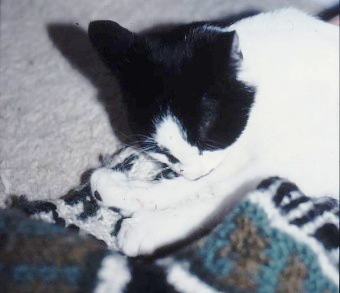
The issue of behavioural habits is often thought about in relation to repetitive behaviours like this cat who was fixated on chewing her front paws. However, any behaviour that receives consistent reinforcement may become habitual to a greater or lesser extent. This has important implications for how we intervene and how likely the animal is to respond to simple changes in behavioural reinforcement.

Recognising whether behaviour retains emotional underpinnings or has become automatised fundamentally alters treatment planning. The clinician may need to focus on reducing rehearsal, building competing habits, changing environmental contingencies or rebuilding behavioural flexibility alongside re-instating or building new emotional associations.

Better Diagnosis Leads to Better Treatment

One of the recurring principles of the psychobiological approach is that treatment should be individualised and map closely onto diagnosis. Thus diagnosis is individualised as well. We do not treat disorders we treat patients!

Picture1

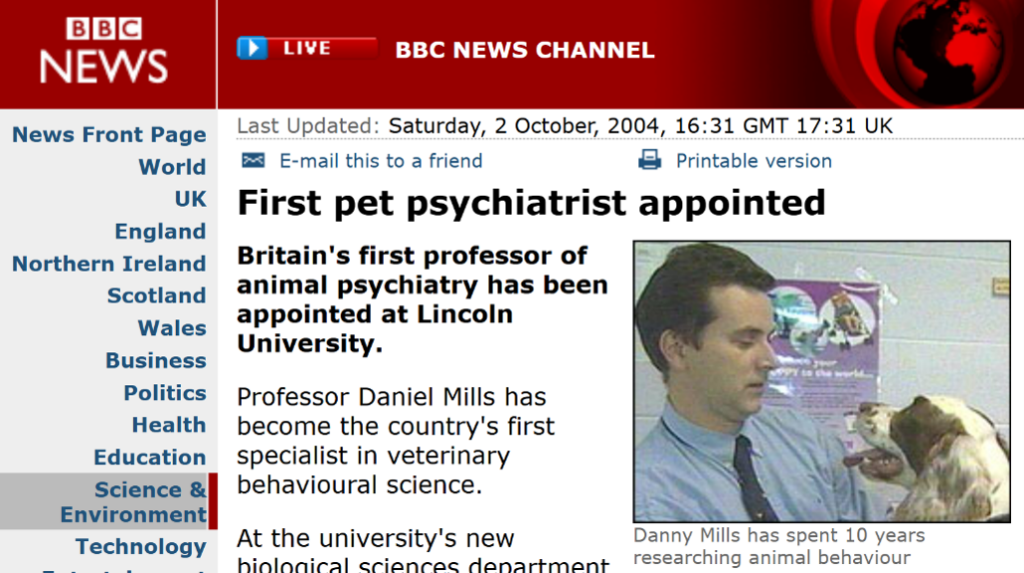
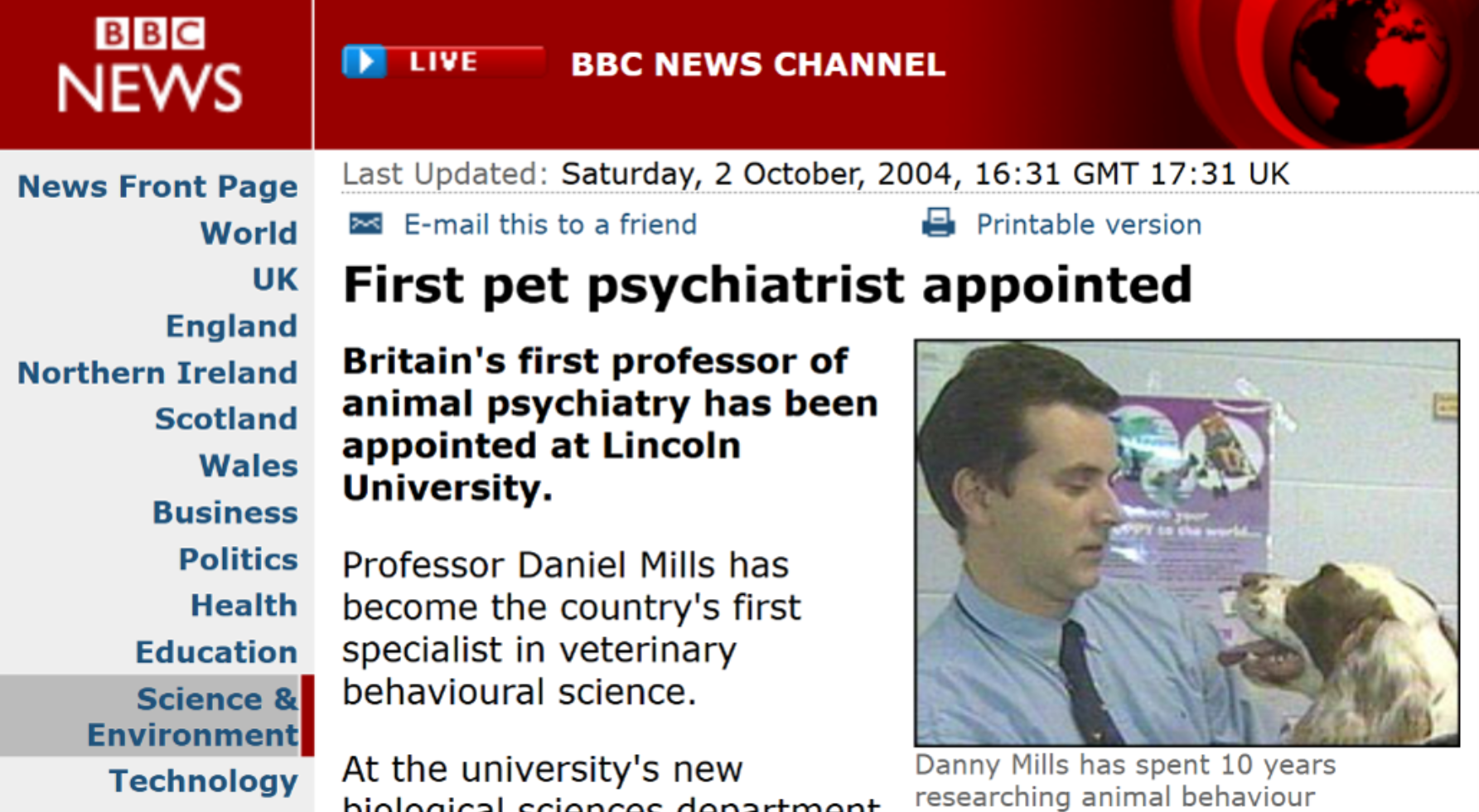
When I became Europe’s first professor of veterinary behaviour medicine, the press quickly wanted to call me a pet psychiatrist. This is a term I try to avoid, as it encourages clinicians to think in terms of mental diagnoses and treating general syndromes rather than individual patients.

This represents a significant departure from protocol-based behavioural medicine and moves the discipline towards personalised behavioural care.

Why This Matters

The psychobiological approach is an attempt to place clinical animal behaviour on the same scientific footing as other branches of veterinary medicine. It encourages clinicians to distinguish objective observations from subjective interpretations, develop explicit diagnostic hypotheses and continually refine these hypotheses as treatment progresses. Diagnosis becomes an ongoing scientific process rather than a one-off label.


Perhaps most importantly, it acknowledges that behaviour is the product of interacting biological, psychological and environmental systems and processes. Thus we have to consider those who interact with the patient too, if we wish to reliably bring about meaningful change.

A Quiet Revolution

Many revolutions arrive with bold claims and dramatic headlines.


This one has not.


Instead, the psychobiological approach is quietly reshaping how clinicians think about behaviour, moving from labels to mechanisms, from description to explanation, and from generic treatment protocols to genuinely evidence-based individualised behavioural medicine. Indeed it may surprise many to know that the psychobiological approach is not something new. I first raised the need for such an approach 30 years ago at the first International Veterinary Behavioural Medicine conference in Birmingham.  What we are seeing now is the culmination of more than 30 years practical and theoretical work in this space.

Conclusion

The psychobiological approach is powerful because it asks us to look past behaviour and towards the animal behind it and at the carer living with it. It reminds us that barking, lunging, hiding, growling or refusing are not the whole story—they are signals, shaped by emotion, health and experience.


That shift matters. When we stop treating behaviour and focus on the problem and all its complexities, we replace frustration with curiosity, blame with understanding, and quick fixes with lasting change.


That is why this approach matters so deeply. It offers something that every struggling animal and every worried owner needs: a way forward that is not only more scientific, but more compassionate. And in the end, that may be the real revolution.


The ultimate beneficiaries are not simply clinicians, but the animals whose behaviour we seek to understand and the people who live alongside them.

Write a comment
Your email address will not be published. Required fields are marked *
Scroll
Copy link